How to Winterize Your Plumbing for Aurora's Freeze-Thaw Cycles
Protect your Aurora home from frozen and burst pipes this winter. A step-by-step winterization guide from a local master plumber.

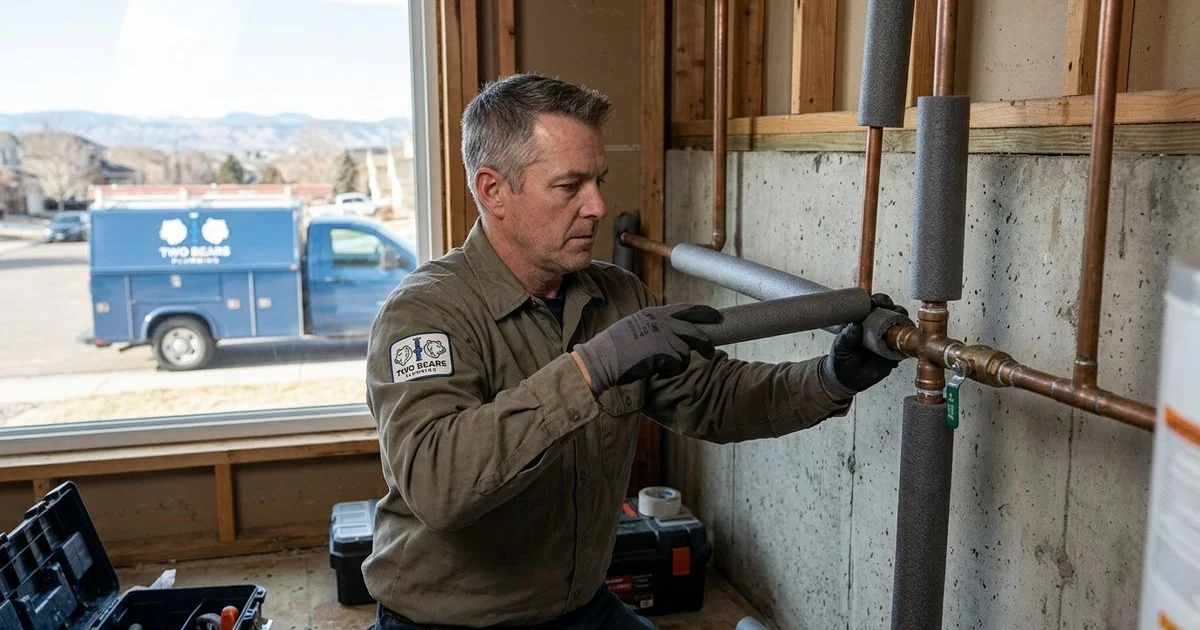
You know the drill with Colorado weather, where a sunny 50-degree afternoon can plunge into single digits by midnight.
Our Two Bears Plumbing team sees the aftermath of these 40-degree temperature swings every single winter. The rapid freeze-thaw cycle puts immense stress on residential water lines, causing pipes to expand and crack.
We handle burst pipe emergencies across the city from November through March. Preventing these disasters is much cheaper and easier than cleaning up a flooded basement.
Our complete guide outlines how to winterize your plumbing for Aurora, providing actionable steps to protect your property. The data shows clear risks, so here are practical ways to respond before the cold hits.
Step 1: Disconnect and Drain Outdoor Hoses
The most common winterization mistake happens right in the backyard.
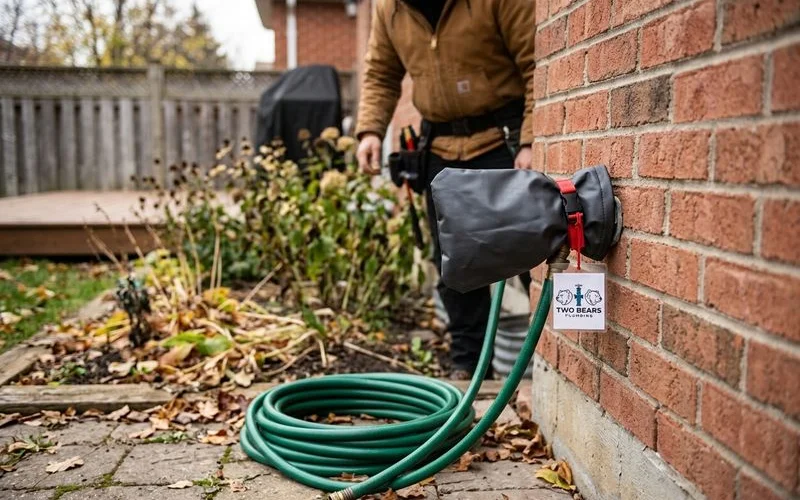
We pull split copper lines out of exterior walls every spring simply because a garden hose was left attached. Trapped water inside the hose bib freezes, expands, and splits the pipe hiding behind your brick or siding.
Our technicians strongly recommend removing all hoses before the first October freeze.
A flooded basement can cost an average of $2,732 in water damage restoration according to 2026 data. We suggest grabbing a few Everbilt standard foam covers from the local Aurora Home Depot. These simple polystyrene covers cost about $3 to $4 each and install in seconds.
- Disconnect all garden hoses from outdoor faucets.
- Drain the hoses and store them inside the garage or shed.
- Close the interior shut-off valves and open the outdoor faucet to drain the remaining water.
- Install those insulated foam covers securely on all outdoor hose bibs.
Step 2: Insulate Exposed Pipes
Unheated spaces are the primary danger zones for your water lines. We find the most vulnerable pipes running through older crawl spaces and unheated garages built before 1990.
The Colorado Energy Code mandates a minimum R-3 insulation value for mechanical piping. Our team suggests exceeding this baseline in high-risk areas to guarantee safety.
Basic fiberglass batts often fall short in drafty spots like basement rim joists.
We prefer using pre-slit polyethylene foam tubes because they block cold air effectively and snap right over the pipe.
| Insulation Type | Approximate R-Value | Best Application |
|---|---|---|
| Polyethylene Foam Tubes | R-3 to R-4 | Standard exposed indoor pipes. |
| Extruded Polystyrene | R-5 per inch | High-draft areas and rim joists. |
| Electric Heat Tape | Active Heating | High-risk lines in unheated garages. |
Step 3: Seal Cold Air Leaks
Freezing temperatures outside are only half the problem. We frequently discover frozen pipes located directly next to a poorly sealed foundation crack.
Cold winter wind blowing straight onto a copper line lowers the temperature much faster than still air. Our preferred method is using expanding polyurethane foam for gaps wider than a quarter inch.
High-quality silicone caulk works perfectly for smaller penetrations around dryer vents.
- Gaps around pipes where they penetrate exterior walls.
- Cracks in foundation walls near pipe penetrations.
- Poorly sealed crawl space vents.
- Spaces around exterior electrical outlets and lighting fixtures.
Step 4: Know Your Most Vulnerable Fixtures
Certain areas of your house face much higher risks during a cold snap. We always check bathroom fixtures located on the north side of the home first.
These exterior walls receive almost zero direct sunlight during Colorado winters. Our plumbers also see frequent freezing in garage laundry supply lines.
Kitchens and Bathrooms
Open cabinet doors below kitchen sinks on cold nights to let warm air circulate. We see many frozen lines simply because closed cabinets blocked the home heating system from reaching the exterior wall.
Dead-end pipes capped for a future basement bathroom are especially vulnerable to the cold.
Garages and Attics
Supply lines routed to a washing machine in an unheated garage require active electric heat tape.
We highly recommend wrapping these specific lines, as passive foam insulation is rarely enough. Attic water lines are less common in Aurora, but they demand heavy fiberglass wrapping if present.
Step 5: Maintain Minimum Heat
Leaving town requires proper thermostat management to prevent a disaster. We advise setting your indoor temperature no lower than 55 degrees Fahrenheit, aligning with American Red Cross guidelines.
Plunging indoor temperatures save a few dollars on gas but risk a $4,000 plumbing repair. Our top recommendation for frequent travelers is installing a smart device like the Ecobee Smart Thermostat Essential or Google Nest 4.
These units cost around $139 and send instant alerts to your smartphone if the house drops below 38 degrees. We know that early warning gives you time to call a neighbor before the ice expands and ruptures a main line.
- Maintain a minimum of 55 degrees on all thermostats.
- Install a smart thermostat with low-temperature notifications.
- Have a neighbor check the property if an alert triggers.
Step 6: Let Faucets Drip on Extreme Cold Nights
The freeze risk escalates significantly when Aurora temperatures plunge below 20 degrees Fahrenheit. We tell customers to let their most vulnerable faucets drip slightly overnight during these extreme cold fronts.
A pencil-lead-thin stream of water keeps fluid moving and relieves the internal pressure that actually causes the copper to tear. Our field experience shows this simple trick prevents hundreds of emergencies each year.
Wasting a small amount of tap water is infinitely cheaper than paying for a frozen pipe repair.
- Kitchen sinks located on exterior walls.
- Fixtures at the very end of long pipe runs.
- Any faucet that has historically frozen in the past.
Step 7: Insulate Your Crawl Space
Many older Aurora properties sit on top of drafty, uninsulated crawl spaces. We highly recommend upgrading these areas to meet current building standards.
Colorado climate guidelines suggest R-19 insulation for exterior crawl space walls. Our crews see a massive reduction in freeze incidents after a crawl space is properly encapsulated with closed-cell spray foam.
Closing the exterior vents blocks the freezing wind from sweeping across exposed PVC and copper lines.
- Closing manual crawl space vents for the winter season.
- Adding fiberglass or foam board insulation between floor joists.
- Applying closed-cell spray foam directly to the exterior foundation walls.
- Investing in full encapsulation to reduce moisture and protect all utilities.
Step 8: Service Your Water Heater
Winter demands much more from your home heating appliances. We test Aurora tap water frequently, and it routinely measures at an extreme 12.8 grains per gallon of hardness.
This dissolved rock and mineral content is terrible for plumbing fixtures and water heaters. Our technicians know that this hard water accelerates sediment buildup inside the tank.
Thick calcium layers force the burner to work overtime to heat the cold incoming city water.
Flushing the Tank
Regular maintenance keeps the system running efficiently during the coldest months. We recommend having your unit professionally flushed before November arrives.
Removing that mineral sludge lowers energy bills precisely when hot water is needed most.
When to Call a Professional for Winterization
Assessing an entire house can feel overwhelming for a busy property owner. We provide comprehensive inspection services to find hidden vulnerabilities before the weather turns hostile.
A professional eye easily spots inadequate R-values or dangerous drafts near exterior plumbing runs. Our preventative walk-through costs a fraction of emergency frozen pipe repairs.
Catching a single exposed line in the garage pays for the visit entirely.
We take pride in helping neighbors protect their biggest investment from harsh elements.
- Inspect exposed pipes in unheated spaces.
- Evaluate crawl space insulation levels.
- Check exterior wall penetrations for drafts.
Final Thoughts on How to Winterize Your Plumbing for Aurora
The first hard freeze always catches a few people completely off guard.
We want to make sure your property is fully protected. Call Two Bears Plumbing at (720) 740-2481 to schedule your winterization service.
Our dedicated team is ready to help you prepare for the cold. Learning how to winterize your plumbing for Aurora ensures your home stays warm, dry, and safe all season long.
Need Plumbing Help in Aurora?
Call now for same-day service. Upfront pricing, no hidden fees.
Call (720) 740-2481Related Service: Learn more about our frozen pipe repair →